
Diet
- Follow us
-

-

-

You aren’t doomed to a caffeine-free life after bariatric surgery. But you will have to take a temporary break from your cup of joe (and any other caffeinated drinks). Read on to find out the when and why.
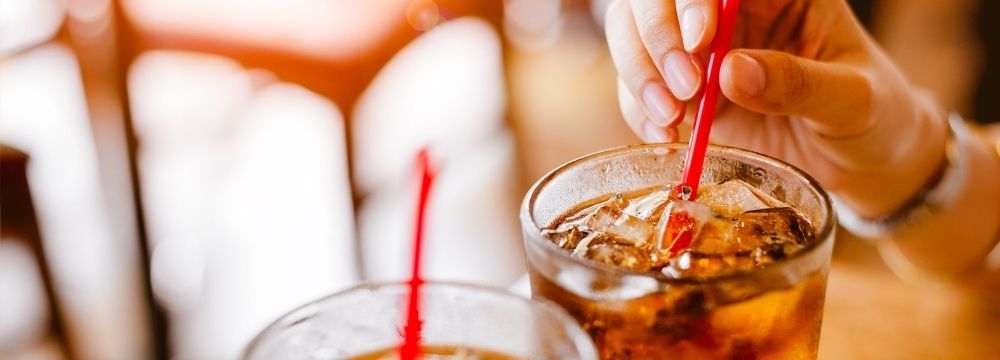
Coffee isn’t the only place you’ll find caffeine. Tea, energy drinks, sodas, chocolate, pre-workout supplements, and even headache medications can contain caffeine, with some products containing more than others. There are several reasons you’ll want to be aware of what contains caffeine when you’ve decided on bariatric surgery.
Before surgery and during the first few weeks to months of recovery, caffeine is generally off the menu. We know it can be a bummer to hear that. For some people, that morning cup of coffee is more than a source of caffeine – it’s part of a daily ritual, a way to socialize, or simply tastes good. But it’s not off-limits forever!
What’s the Deal with Off-Limits?
Some care teams may have their patients prepare for surgery by following specific diet protocols. One in particular is the liver-shrinking diet.
The liver sits right next to the stomach, and an enlarged liver can make it harder for a surgeon to access and see the area where bariatric surgery is performed. Many people preparing for bariatric surgery have an enlarged liver due to steatotic liver disease, otherwise known as fatty liver disease. A fatty or enlarged liver is more vulnerable to injury during surgical manipulation. By depleting glycogen and fat stores in the liver, the diet makes the organ smaller, softer, and easier to move, lowering surgical risks.
Metabolic dysfunction-associated steatotic liver disease (MASLD) is now the most common chronic liver disease worldwide, with the highest prevalence (about 75%) among people with obesity.1
In a systematic review of low-calorie diets used before bariatric surgery, all of the diets studied reduced liver volume, with reductions ranging from 12% to 27%. The largest reductions happened when the diet lasted specifically between two and four weeks.2
What does this have to do with caffeine?
Pre-operative diets are highly structured, and caffeinated drinks can work against some of the goals of the diet depending on what you’re drinking and adding to it. A sugary coffee drink, for example, can add a surprising amount of carbohydrates and calories to an otherwise very low-calorie diet. Even black coffee is excluded by some surgeons due to its diuretic effect. Along with a low-carb, low-calorie diet, it’s very important to maintain healthy hydration, and caffeine can interfere with that goal.
Surgery is followed by another caffeine-free period, but for different reasons.
These are typically minimally invasive and relatively quick procedures, but gastric bypass and sleeve gastrectomy are major events for your body. Your stomach and digestive system need time to recover, and your priorities during the early weeks are hydration, protein, and getting the nutrients your body needs to heal. Caffeine can increase urine output (diuretic), which may make it more difficult to stay adequately hydrated when you’re already adjusting to drinking smaller amounts of fluid at a time. Some bariatric programs also restrict caffeine because it can increase stomach acid and aggravate reflux or irritation while the surgical site is healing.
Caffeine can also have an appetite-suppressing effect. That sounds like a benefit, but right after surgery, you need nourishment to heal – eating too little is not the goal. You need to work toward your prescribed protein and nutritional intake, even though your portions are much smaller than they were before surgery.
How long will you need to avoid caffeine? That depends on your bariatric program and your unique circumstances. Many programs generally recommend avoiding it for at least the first month after surgery, and some may recommend a longer period. Your own surgeon and care team should have the final say, since recommendations can vary based on your procedure, recovery, medications, and individual needs.
Once your care team clears you to reintroduce it, you can start thinking about how to fit it back into your routine without letting it crowd out the things your post-bariatric body needs most.
Once You’re Cleared
Once your care team says it’s okay, caffeine can come back – but it needs to earn its place in your post-bariatric routine.
Food and drinks aren’t only about calories and nutrients. A morning coffee can be a familiar ritual that helps you start the day. Meeting a friend for coffee can give you a reason to get out of the house and maintain social connections. Those things may seem unrelated to weight loss, but building a life you enjoy is an important part of maintaining the changes that come with bariatric surgery.
It’s alright to drink caffeine once you get the greenlight, and it can actually be a rewarding social activity that ends up helping you keep your other goals on track.
There may also be some benefits to caffeine itself. Caffeine is a stimulant that can increase alertness and reduce feelings of fatigue, which is one reason so many people reach for it in the first place. There’s also some speculation that caffeine could have an effect on metabolism and body weight by temporarily increasing energy expenditure and fat oxidation. However, bariatric surgery, your nutritional habits, physical activity, sleep, and long-term follow-up still do the heavy lifting when it comes to weight management. Caffeine can be something you enjoy within that bigger picture, so don’t look at your morning coffee as a secret weight-loss weapon. At best, any “weight loss” effect will be modest and can diminish as the body becomes accustomed to regular caffeine intake.
Once caffeine is back on the menu, keep an eye on the sugar, cream, flavored syrups, and other add-ins that can turn a low-calorie beverage into a surprisingly calorie-dense one. And remember: caffeine doesn’t replace your hydration goals. Moderation is the name of the game.
Re-introduce caffeine, in whatever form, in small amounts and see how your body responds. If it brings on heartburn, stomach discomfort, nausea, shakiness, or other unpleasant symptoms, that’s a good reason to back off and start a little slower.
Bariatric surgery is only one part of your weight-loss care. At MIIS Weight Loss Institute, our team provides guidance and follow-up before and after surgery, including nutrition recommendations. If you have questions about when to reintroduce caffeine, what you can eat and drink after surgery, or how to maintain your progress long-term, let us know! You can call our office or submit an online inquiry here.
- Koliaki, C., Dalamaga, M., Kakounis, K., & Liatis, S. (2025). Metabolically Healthy Obesity and Metabolic Dysfunction-Associated Steatotic Liver Disease (MASLD): Navigating the Controversies in Disease Development and Progression. Current obesity reports, 14(1), 46. https://doi.org/10.1007/s13679-025-00637-9.
- Romeijn, M. M., Kolen, A. M., Holthuijsen, D. D. B., Janssen, L., Schep, G., Leclercq, W. K. G., & van Dielen, F. M. H. (2021). Effectiveness of a Low-Calorie Diet for Liver Volume Reduction Prior to Bariatric Surgery: a Systematic Review. Obesity surgery, 31(1), 350–356. https://doi.org/10.1007/s11695-020-05070-6.
Related Articles
See more Articles