
Health
- Follow us
-

-

-

Managing GERD After Bariatric Surgery
Following bariatric surgery, some patients may experience discomfort with heartburn or gastroesophageal reflux disease, also known as GERD. Heartburn and GERD are treatable conditions that can be made better with diet, medication, and some lifestyle to help you along the way.
MIIS Registered Dietitian shares her tips on how to control stomach acids and prevent heartburn or GERD. Keeping a food journal and seeking advice from our Bay Surgical Weight Loss nutritionists and medical staff may help identify what is the best treatment plan for you.
Drinking Before a Meal
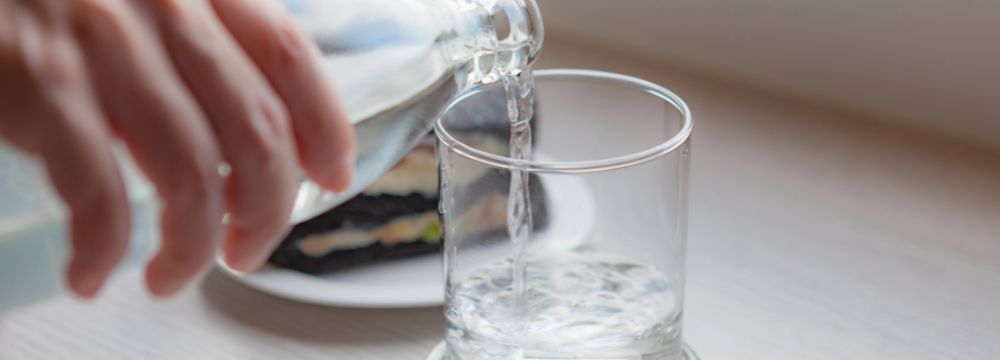
We all know that staying hydrated is very important and it is natural that we would use meal time to drink. However, mixing liquids with foods means that the liquid gives more mobility to the stomach acid. When our stomachs are full of food and liquid, this volume can reach and push against the esophageal sphincter and escape. The result is heartburn, discomfort, and possibly GERD. To combat that try spacing out your liquid consumption nearly an hour from your food intake.
We have all heard that drinking water before or during a meal will help us lose weight. By shifting your beverage to an hour before a meal, you will continue to feel fuller, but you will be reducing your risk of acid reflux.
What about soups, cereals with milk, and smoothies? Those are still liquids and should be enjoyed moderately. Using less milk with cereal, having a cup instead of a bowl of soup, or a small smoothie separate from the meal can help keep symptoms at bay.
Chewing Gum and Acid Reflux
There are varying opinions about chewing gum to prevent acid reflux. Some patients find that certain types of gums help to soothe their acid reflux because chewing gum promotes saliva or contains bicarbonate and these things can help. However, mint products, such as peppermint gums, should be avoided because they may relax and open the lower esophageal sphincter. When this muscle is relaxed, it allowed gastric acid to travel upwards into the esophagus causing a burning sensation and discomfort.
Chewing gum after bariatric surgery is going to be riskier. When you chew without swallowing, you tend to swallow air. After your weight loss surgery when your stomach is smaller, even a little bit of air can cause pain and discomfort for hours. The bloat can cause the acids to move upwards or it might inspire you to lie down. Being in a horizontal position means that gravity is not providing resistance in your system and this allows the stomach acid to flow more easily into your esophagus.
Alcohol and Chocolate Can Cause Increased Stomach Acid
Alcohol contains ethanol which is an irritant to the stomach. Alcoholic beverages with low ethanol content, such as beer and wine, can cause an extreme amount of acid output. Much like how alcohol relaxes the rest of our bodies, the muscle between the stomach and esophagus will relax and allow stomach acids into the esophagus.
When mixed with carbonated beverages, acidic juices, or sugary mixers, these beverages can cause the stomach to secrete even more acids.
Chocolate has cocoa and caffeine. Cocoa is acidic and it can cause intestinal cells to release serotonin, which sedates the esophageal sphincter. Caffeine can aggravate the stomach acids so hot cocoa, coffee, and tea should be enjoyed moderately or avoided altogether.
Citrusy and Other Acidic Foods and Beverages
Our esophageal valve likes to relax around acidic food. It doesn’t take much for our system to mix the acid of the food with the acid in our stomachs and allow it to leech upwards to aggravate the esophagus. Keeping a food journal and understanding how certain acidic foods impact you or interact with medications can help you avoid foods that may aggravate you.
We all know that food in moderation is a positive start but knowing which foods cause us pain and avoiding them altogether can be the best option.
Related Articles
See more Articles