
Weight Loss Surgery
- Follow us
-

-

-

If the point of weight loss surgery is to lose weight, why would your surgeon suggest you start before surgery? For some patients, it may be a requirement for surgical safety.
Updated for 2026
Sometimes people think we may be crazy for talking to them about weight loss before weight loss surgery. They say, “Well, isn’t that what the surgery is supposed to do?” However, we do encourage and often require weight loss prior to surgery. Below are the top 2 reasons why we encourage or require it.
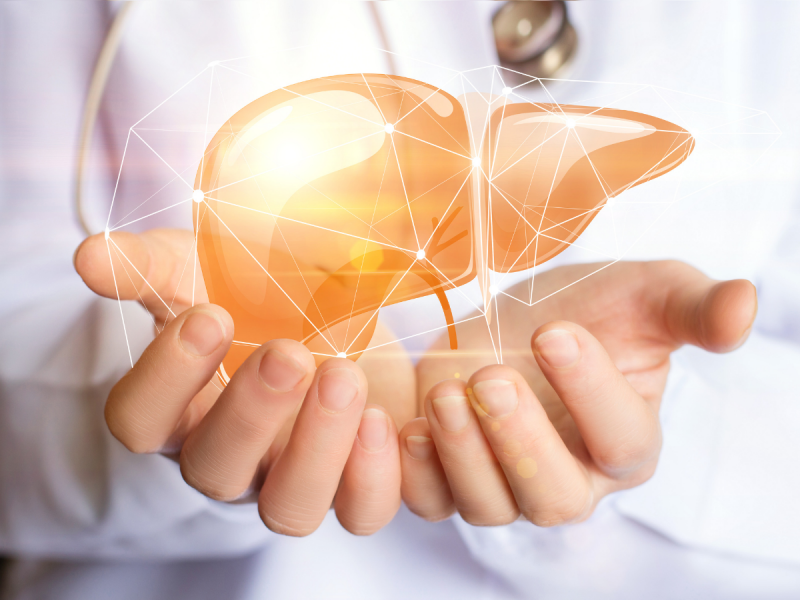
First, losing weight lowers your risk of having surgery. In fact, losing even 10 pounds shrinks your liver and makes the surgery safer to perform. What does that mean? You see, the liver stores fat and is one of the first places you lose fat from when you lose weight. So, although 10 pounds may not seem like a lot, a large portion of this weight loss comes from your liver. In fact, following a liver-shrinking diet 2 to 4 weeks prior to surgery can reduce the size of the liver between 12% and 27%.1
Two to four weeks of a physician-recommended low-carbohydrate diet prior to surgery can shrink the liver, giving your surgeon a clearer and safer path to the stomach and surrounding structures.
Surgeons have had scenarios where, after an operation begins, due to the thickness and size of the liver, they cannot safely move it out of the way. As a result, they may need to cancel the surgery. Thus, it is very important, from the surgeon’s standpoint as well as for your optimal outcome, that you lose weight prior to surgery.
Second, if you lose weight before surgery, you will generally have a quicker recovery and smoother transition into weight loss after surgery. Studies have shown that losing weight prior to surgery reduces inflammation, which may reduce some of the physical stress associated with surgery.2 This pre-surgery weight loss also really sets the tone and prepares you for the types of dietary restrictions and lifestyle modifications that are necessary for optimal success.
Obesity-related inflammation can negatively affect immune function, wound healing, and the body’s response to surgical stress. Losing weight prior to surgery can begin to reverse some of these effects.
From a psychological standpoint, one way you can think about that is weight loss tends to positively impact your mindset since you have seen some success. You will have experienced some of the required nutritional dietary changes, and that motivates patients more often than not. You feel accomplished before you even start, and that further catalyzes incentive.
Losing weight before weight loss surgery makes surgery safer, it makes weight loss more effective, and prepares you for the journey ahead.
At MIIS Weight Loss Institute, our team is with you every step of the way, before, during, and even years after surgery. If you are ready to learn more and get started on your journey, feel free to reach out to us directly.
- Romeijn, M. M., Kolen, A. M., Holthuijsen, D. D. B., Janssen, L., Schep, G., Leclercq, W. K. G., & van Dielen, F. M. H. (2021). Effectiveness of a Low-Calorie Diet for Liver Volume Reduction Prior to Bariatric Surgery: a Systematic Review. Obesity surgery, 31(1), 350–356. https://doi.org/10.1007/s11695-020-05070-6.
- Stenberg, E., Laurenius, A., & Thorell, A. (2025). Intentional weight reduction before surgery – A systematic review. Clinical Nutrition, 45, 156–164. https://doi.org/10.1016/j.clnu.2025.01.008.
Related Articles
See more Articles